

A Comprehensive Guide To Unlocking The Potential Of Laser Cutting in Aluminum

What is Laser Cutting for Aluminum?
Laser cutting for aluminum is a cutting-edge technique that employs a high-powered laser beam to intricately and precisely cut through aluminum sheets. This advanced method represents a non-contact approach, distinguishing itself by enabling the creation of intricate designs and the formation of complex shapes with minimal material waste. Industries that prioritize precision and efficiency in aluminum fabrication find laser cutting to be a go-to solution for their needs.
The technology's ability to deliver precise and clean cuts contributes to its widespread adoption in various applications within the aluminum processing sector. This innovative approach to aluminum cutting has not only elevated the standards of precision in the industry but has also significantly reduced material waste, making it an environmentally conscious choice. As industries continue to seek methods that enhance both the quality and efficiency of their processes, laser cutting for aluminum has emerged as a transformative solution, playing a pivotal role in reshaping the landscape of aluminum fabrication.

What Are the Advantages of Using Laser Cutting for Aluminum Over Other Methods?
Laser cutting stands out as a superior method for processing aluminum in the machine industry, offering a range of advantages over alternative cutting methods:
1. Precision:
Laser cutting excels in providing unparalleled precision, making it the preferred choice for intricate designs and detailed cuts. The focused laser beam ensures accuracy in shaping aluminum components, meeting tight tolerances and specifications.
2. Versatility:
Laser cutting exhibits remarkable versatility by accommodating various aluminum alloys and thicknesses. This flexibility allows manufacturers to work with a diverse range of materials, meeting specific project requirements without the need for constant adjustments or changes in cutting tools.
3. Minimal Material Waste:
One of the significant benefits of laser cutting for aluminum is the minimal material waste it produces. The precision of the laser beam enables efficient use of the material, reducing scrap and optimizing material usage. This not only contributes to cost savings but also aligns with sustainable manufacturing practices.
4. Non-Contact Cutting:
Laser cutting is a non-contact method, as the laser beam doesn't physically touch the aluminum surface. This characteristic eliminates the risk of tool wear, reducing the need for frequent tool replacements and maintenance. Additionally, non-contact cutting minimizes the chance of contamination, ensuring the integrity of the aluminum material.
5. Speed and Efficiency:
Laser cutting is renowned for its speed and efficiency in the machining process. The high cutting speeds of lasers contribute to shorter production times, improving overall manufacturing efficiency. This quick turnaround is particularly beneficial in industries where time-sensitive production schedules are crucial.
In summary, the advantages of using laser cutting for aluminum in the machine industry are multifaceted. Its precision, versatility, minimal material waste, non-contact cutting, and speed make it a go-to method for achieving high-quality results while optimizing resource utilization and production timelines. As technology continues to advance, laser cutting remains at the forefront of aluminum processing, driving innovation and efficiency in the manufacturing sector.
How Precise is Laser Cutting When Working with Aluminum Materials?
Laser cutting technology has proven to be exceptionally precise, particularly when working with aluminum materials. The process involves the use of a highly focused laser beam to cut through the material, allowing for intricate designs and achieving tight tolerances. The precision of laser cutting in aluminum is influenced by several factors:
Focused Laser Beam: The fundamental aspect contributing to the precision of laser cutting is the focused laser beam itself. The beam is directed with pinpoint accuracy onto the aluminum surface, allowing for meticulous cutting and shaping.
Minimal Heat Affected Zone (HAZ): Laser cutting generates minimal heat, resulting in a limited Heat Affected Zone (HAZ) in the surrounding material. This characteristic is crucial when working with aluminum, as it helps prevent distortion and ensures the retention of the material's structural integrity.
Computer Numerical Control (CNC) Technology: Laser cutting machines are often equipped with Computer Numerical Control (CNC) technology, enabling precise control over the cutting process. CNC systems use digital instructions to guide the laser accurately, ensuring consistency and repeatability in the cuts.
Material Compatibility: Aluminum is particularly well-suited for laser cutting due to its reflective properties. The material efficiently absorbs the laser energy, facilitating a clean and precise cut without excessive scattering of the beam.
High Speed and Efficiency: Laser cutting operates at high speeds, allowing for efficient and rapid processing of aluminum sheets. The combination of speed and precision makes laser cutting an ideal choice for industries where time-sensitive and accurate production is paramount.
Versatility in Thickness: Laser cutting can handle a wide range of aluminum thicknesses, providing versatility in manufacturing applications. Whether it's thin aluminum sheets or thicker sections, the technology can adapt to various material dimensions while maintaining precision.
Reduced Tool Wear: Unlike traditional cutting methods that involve physical tools, laser cutting does not suffer from tool wear. This absence of wear ensures consistent precision over time, reducing the need for frequent tool replacements and maintenance.
In conclusion, the precision of laser cutting in aluminum materials is unparalleled, making it a favored technology in industries that demand intricate designs, tight tolerances, and reliable efficiency, such as aerospace and electronics. The combination of a focused laser beam, minimal heat impact, CNC technology, material compatibility, high speed, versatility in thickness, and reduced tool wear collectively contribute to the exceptional precision achieved through laser cutting processes.

What Types of Lasers Are Commonly Used for Cutting Aluminum?
In the machine industry, the utilization of lasers for cutting aluminum has become a prominent method, and among the various types of lasers available, fiber lasers stand out as a common and effective choice. Fiber lasers operate by generating a laser beam through optical fibers, showcasing exceptional power and efficiency in their performance. Several factors contribute to the popularity of fiber lasers in the context of cutting aluminum:
Optical Fiber Technology:
Fiber lasers leverage optical fibers to guide and amplify the laser beam. This technology enables the efficient delivery of high-powered laser energy to the cutting surface.
The optical fiber system allows for a more flexible and compact design, making fiber lasers suitable for integration into various cutting machines.
High Power and Precision:
Fiber lasers are capable of delivering high levels of power, facilitating rapid and efficient aluminum cutting processes. This is particularly advantageous in industrial settings where productivity is a key consideration.
The precision of fiber lasers ensures that intricate patterns and fine details can be achieved during the cutting process, meeting the demands of diverse applications.
Reflective Properties of Aluminum:
Aluminum is known for its reflective properties, posing challenges for some traditional laser systems. However, fiber lasers are well-suited to handle reflective materials.
The wavelength of the laser beam in fiber lasers is effectively absorbed by aluminum, preventing issues related to reflections that might occur with other types of lasers.
Consistency in Cutting Results:
Fiber lasers provide consistent cutting results, ensuring uniformity across the entire aluminum surface. This reliability is crucial in manufacturing processes where product quality and dimensional accuracy are paramount.
Reduced Maintenance Requirements:
Fiber lasers often have a lower maintenance burden compared to other types of lasers. The absence of intricate optical components and the durability of optical fibers contribute to a more robust and reliable cutting system.
Energy Efficiency:
Fiber lasers are known for their energy efficiency, converting a higher percentage of electrical input into laser output. This not only reduces operational costs but also aligns with the growing emphasis on sustainability in industrial practices.
Versatility in Thickness:
Fiber lasers exhibit versatility in cutting aluminum of various thicknesses. This adaptability makes them suitable for a wide range of applications, from thin sheets to thicker plates.
How Does the Speed of Laser Cutting for Aluminum Compare to Other Cutting Methods?
Laser cutting stands out in the machine industry due to its unparalleled speed and efficiency, particularly when compared to conventional cutting methods such as sawing or milling. Several factors contribute to the remarkable speed of laser cutting, making it a preferred choice for various industrial applications:
Non-Contact Nature: One of the key advantages of laser cutting is its non-contact nature. Unlike traditional methods that involve physical contact between the cutting tool and the material, laser cutting employs a focused beam of light to melt, burn, or vaporize the material without any direct touch. This non-contact approach reduces friction and wear on the cutting tool, resulting in faster cutting speeds.
Precision and Accuracy: Laser cutting systems are renowned for their high precision and accuracy. The focused laser beam allows for intricate and detailed cuts with minimal material wastage. The ability to follow precise computer-aided designs (CAD) ensures that the cutting process is optimized for speed without compromising accuracy.
Versatility in Material Thickness: Laser cutting excels in handling a wide range of material thicknesses. Whether it's thin sheets or thicker plates, laser cutting machines can adapt to different material requirements, ensuring consistent speed across various applications. This versatility is a significant advantage over some traditional methods that may struggle with diverse material thicknesses.
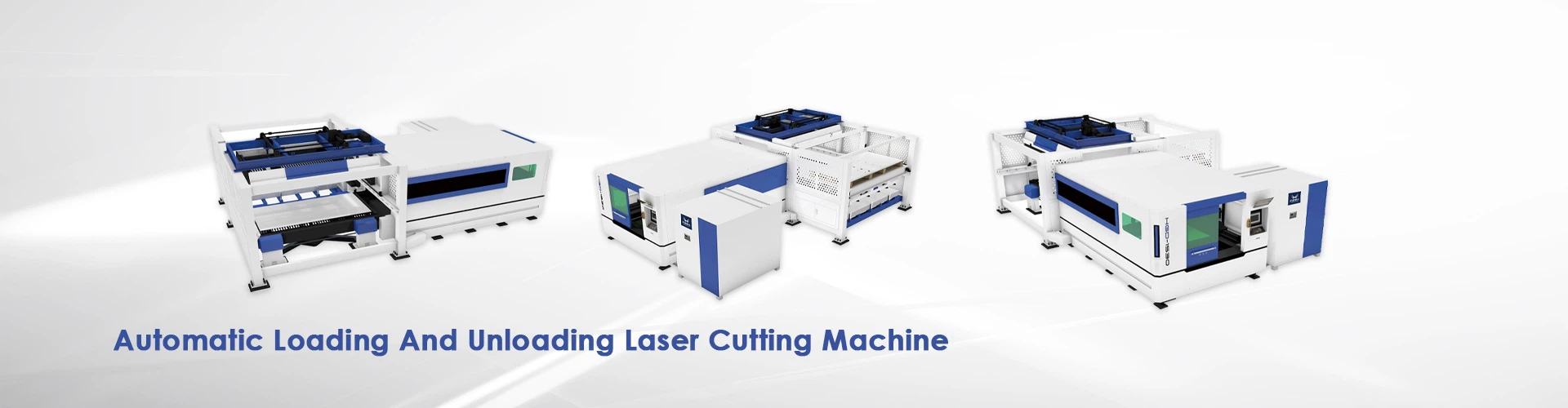
Automation Integration: Laser cutting systems are often integrated with advanced automation technologies, further enhancing their speed. Automated loading and unloading of materials, along with real-time adjustments based on sensor feedback, contribute to continuous and uninterrupted cutting processes. This level of automation minimizes downtime and significantly improves overall efficiency.
Reduced Setup Times: Setting up a laser cutting machine for a new job is typically quicker compared to traditional methods. With the ability to change cutting parameters rapidly through computerized controls, laser cutting machines can transition from one job to another swiftly. This agility is crucial for industries with frequent product changes or customizations.
Minimal Material Distortion: Laser cutting produces minimal heat-affected zones, reducing the likelihood of material distortion. Traditional methods, such as sawing or milling, often generate more heat during the cutting process, leading to thermal distortion. The controlled and focused energy of lasers minimizes this effect, contributing to consistent speed and quality.
What Factors Influence the Cost of Laser Cutting for Aluminum?
The cost of laser cutting for aluminum is influenced by various factors that play a crucial role in determining the overall expenses associated with this precision machining process. To delve deeper into the key factors influencing costs, consider the following bullet points:
Material Thickness:
Energy Consumption: Thicker aluminum sheets absorb more energy, requiring higher laser power to achieve a clean and precise cut.
Processing Time: Thicker materials take longer to cut as the laser must penetrate through more substance, contributing to increased labor costs.
Complexity of Design:
Precision Requirements: Complex designs with intricate details necessitate a higher level of precision during laser cutting, demanding skilled operators and specialized equipment.
Programming and Set-Up: Elaborate designs may require more time for programming the laser cutting machine and setting up the parameters correctly.
Volume of Production:
Economies of Scale: High-volume production can lead to economies of scale, where the fixed costs associated with machine setup and programming are distributed across a larger number of units, reducing the cost per unit.
Efficiency Gains: Laser cutting efficiency tends to increase with volume, as the continuous operation of the machine for a larger production run minimizes downtime associated with loading and unloading materials.
How Environmentally Friendly Is Laser Cutting for Aluminum Compared to Other Methods?
Laser cutting for aluminum stands out as an environmentally friendly option in the manufacturing industry when compared to certain traditional methods. The following points elaborate on the eco-friendly aspects of laser cutting for aluminum:
Material Efficiency:
Laser cutting is highly precise, allowing for optimal material usage with minimal waste. The focused laser beam accurately cuts through aluminum sheets, ensuring that the material is utilized efficiently without unnecessary loss.
The precision of laser cutting also enables nesting, a technique where multiple parts are arranged closely together on a single sheet to minimize scrap material. This reduces the overall material consumption, making it a sustainable choice.
Minimal Waste Production:
Traditional cutting methods, such as mechanical cutting or abrasive methods, often result in significant material wastage due to the wider cutting kerf and imprecise cutting lines. In contrast, laser cutting produces minimal waste, contributing to a more sustainable manufacturing process.
The reduced waste not only saves on raw materials but also decreases the environmental impact associated with disposal and the need for additional resources to produce new materials.
Energy Efficiency:
Laser cutting systems are designed to be energy-efficient. The use of focused laser beams requires less power compared to some traditional cutting methods, such as plasma or water jet cutting. This results in lower energy consumption during the manufacturing process, aligning with the global push for energy conservation and sustainability.
Additionally, advancements in laser technology continue to improve efficiency, making laser cutting an increasingly attractive option from an environmental perspective.
Reduced Emissions:
Unlike certain traditional methods that may involve the use of chemicals or emit harmful fumes, laser cutting typically produces fewer emissions. The absence of physical contact between the cutting tool and the material reduces the generation of harmful byproducts, contributing to cleaner air quality in the manufacturing environment.
Versatility and Adaptability:
Laser cutting is versatile and adaptable to various designs and thicknesses of aluminum, allowing for the production of intricate and complex shapes with high precision. This versatility reduces the need for secondary processes and treatments, further minimizing the environmental impact associated with additional manufacturing steps.
Conclusion
In conclusion, laser cutting for aluminum emerges as a pivotal technology in the contemporary landscape of metal fabrication, showcasing unparalleled precision, efficiency, and versatility. As we navigate the conclusion of this educational guide, it becomes evident that laser cutting plays a central role in shaping the future of aluminum processing across diverse industries. From its crucial applications in aerospace, where intricate designs and lightweight structures are imperative, to its indispensable role in crafting precision electronic components, the impact of laser cutting reverberates across various sectors.
This technology has proven itself as a transformative force, allowing for intricate designs and intricate cuts that were once thought impossible or too labor-intensive. Professionals in the metal fabrication industry, as well as curious enthusiasts, stand to benefit significantly from a deep understanding of laser cutting's advantages, considerations, and safety measures. Recognizing the significance of this technology not only broadens one's knowledge base but also ensures optimal results in the dynamic and evolving realm of metal fabrication. Whether you are embarking on the exploration of laser cutting possibilities or seeking to enhance your current processes, this comprehensive guide serves as a valuable resource, offering insights and practical knowledge into the intricate world of laser cutting for aluminum.