

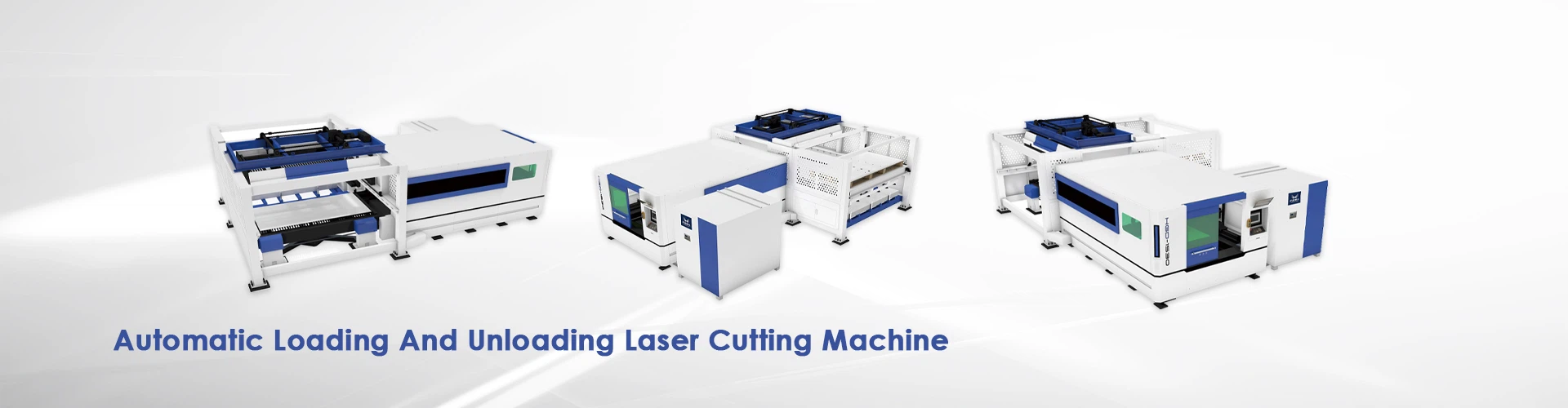
Advantages And Disadvantages Of Laser Cutting
Laser cutting has emerged as a revolutionary technology in manufacturing, design, and prototyping industries. By using a focused laser beam to cut or engrave materials, it offers unparalleled precision and flexibility. However, like any technology, laser cutting comes with its own set of benefits and limitations. This article explores the key advantages and disadvantages of laser cutting to help users evaluate its suitability for specific applications.
Advantages of Laser Cutting
High Precision and Accuracy
One of the most significant advantages of laser cutting is its ability to achieve extreme precision. The laser beam, controlled by computer numerical control systems, can produce intricate designs with tolerances as low as ±0.1 mm. This makes it ideal for industries requiring detailed work, such as aerospace, electronics, and jewelry manufacturing. Unlike traditional mechanical cutting tools, lasers do not wear out over time, ensuring consistent quality in mass production.
Versatility in Material Compatibility
Laser cutting is compatible with a wide range of materials, including metals (steel, aluminum), plastics, wood, glass, ceramics, and textiles. By adjusting the laser's power and wavelength, operators can optimize the process for different materials. For example, fiber lasers excel at cutting metals, while CO2 lasers are better suited for organic materials like wood or acrylic. This versatility makes laser cutting a go-to solution for diverse industries.
Minimal Material Waste
The narrow kerf (cutting width) of a laser beam reduces material waste significantly. Additionally, advanced nesting software allows operators to arrange parts efficiently on a sheet, maximizing resource utilization. This is particularly advantageous for expensive materials like titanium or specialty alloys, where minimizing scrap translates to cost savings.
Non-Contact Process
Unlike mechanical cutting methods, lasers do not physically touch the material. This eliminates the risk of contamination or mechanical distortion, especially crucial for delicate materials like thin metals or brittle ceramics. The non-contact nature also reduces maintenance costs, as there are no blades or drill bits to replace.
Speed and Automation
Laser cutting is faster than many traditional methods, especially for complex designs. Once programmed, the process can run autonomously, enabling high-volume production with minimal human intervention. This automation enhances productivity and reduces labor costs.
Disadvantages of Laser Cutting
High Initial and Operational Costs
Laser cutting machines, particularly industrial-grade systems, require substantial upfront investment. Fiber lasers for metal cutting can cost tens of thousands of dollars, while CO2 lasers for non-metals are slightly more affordable but still expensive. Operational costs, including electricity consumption and gas for auxiliary systems (e.g., nitrogen or oxygen), further add to expenses. Small businesses or hobbyists may find these costs prohibitive.
Material Limitations
While laser cutting works with many materials, it is unsuitable for certain substances. For instance, cutting reflective metals like copper or brass can damage the laser optics unless specialized equipment is used. Additionally, materials such as PVC or polycarbonate release toxic fumes when exposed to high heat, posing health risks and requiring advanced ventilation systems.
Thickness Constraints
Laser cutting struggles with very thick materials. For example, even high-power lasers may fail to cleanly cut steel thicker than 25 mm, resulting in uneven edges or excessive slag. In such cases, alternative methods like plasma or waterjet cutting are more effective.
Thermal Effects
The heat generated during laser cutting can cause thermal distortion, especially in thin or heat-sensitive materials. This may lead to warping, discoloration, or structural weaknesses. Post-processing steps like annealing or grinding are sometimes necessary to address these issues, increasing production time and costs.
Safety and Environmental Concerns
Laser cutting poses safety hazards, including exposure to high-intensity light, toxic fumes, and fire risks. Operators must wear protective gear, and facilities need proper ventilation and fire suppression systems. Additionally, the energy consumption of industrial lasers contributes to a higher carbon footprint compared to some conventional methods.
Conclusion
Laser cutting is a transformative technology that balances precision, speed, and versatility. Its ability to handle complex designs and diverse materials makes it indispensable in modern manufacturing. However, the high costs, material restrictions, and safety challenges require careful consideration. Businesses must weigh these factors against their specific needs-whether for prototyping, custom fabrication, or large-scale production. As laser technology continues to evolve, advancements in efficiency and affordability may further expand its applications, solidifying its role in the future of industrial innovation.