

Introduction To The Application Of Laser Cutting Machines in Automotive Manufacturing

Laser cutting machines demonstrate numerous significant advantages in the automotive manufacturing sector, providing robust support for high-quality, efficient, and diversified automotive production. The following details their applications across various aspects:
Wide Range of Processable Materials
Strong Suitability for Metal Materials: Automotive manufacturing extensively utilizes various metal materials. Laser cutting machines can cut metals of different thicknesses and hardnesses, including common steel, aluminum alloys, magnesium alloys, and more. For instance, in manufacturing automotive body frames, laser cutting easily handles high-strength hot-formed steel, ensuring cutting quality and efficiency. In producing battery trays for new energy vehicles, aluminum alloy materials can be cut to meet battery lightweighting and safety requirements.
Exceptional non-metallic material cutting: Beyond metals, laser cutters process diverse non-metallic materials like plastics, rubber, leather, and glass. In automotive interior manufacturing, laser cutting enables precision cutting of leather seats and forming of plastic trim components, facilitating personalized interior designs and accurate production. For automotive glass processing, it achieves complex contour cutting and drilling to meet diverse design requirements.
Significantly Enhanced Processing Efficiency
High Cutting Speed: Laser cutting machines offer markedly faster cutting speeds compared to traditional methods. In large-scale automotive production, rapid cutting shortens production cycles and boosts efficiency. For instance, during mass production of automotive body panels, laser cutters can swiftly complete cutting tasks for large volumes of parts, meeting the high-speed demands of automotive assembly lines.
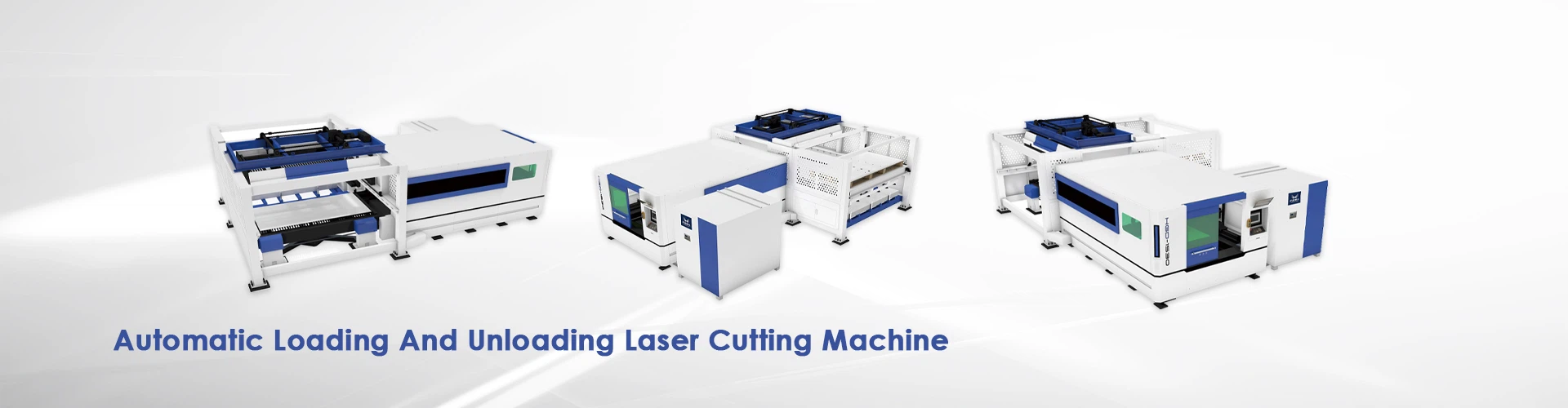
High Automation Level Laser cutting machines integrate seamlessly with automated production lines, enabling uninterrupted processes from automatic loading to cutting and unloading. Through programmed control, they autonomously cut parts of varying shapes and sizes according to preset procedures. This reduces manual intervention, elevates automation levels and production efficiency, while simultaneously lowering labor costs and minimizing human error.
Exceptional Processing Flexibility
Complex Shape Cutting: Laser cutters effortlessly handle intricate part geometries, achieving precise cuts for both two-dimensional flat patterns and three-dimensional structures through programmable control. In automotive manufacturing, where many components feature complex geometries, laser cutters meet these demanding processing requirements, granting greater design freedom for vehicle engineering.
Significant Environmental and Energy Advantages
Zero Pollutant Emissions: Laser cutting is a non-contact process that generates no mechanical friction, chips, harmful gases, or dust emissions, making it environmentally friendly. Compared to traditional flame or plasma cutting methods, laser cutting better aligns with modern environmental standards, supporting automotive manufacturers in achieving green production.
High Energy Efficiency: Laser cutting machines utilize laser energy as the processing source. The concentrated laser energy rapidly melts and vaporizes materials during cutting, achieving high energy utilization. Compared to some traditional cutting methods, laser cutting saves significant energy and reduces production costs.
Overall, laser cutting machines have become indispensable key equipment in the automotive manufacturing sector due to their outstanding advantages: high precision, broad material applicability, high efficiency, and strong flexibility. With continuous technological innovation and development, the application prospects of laser cutting machines in automotive manufacturing will undoubtedly expand further.