

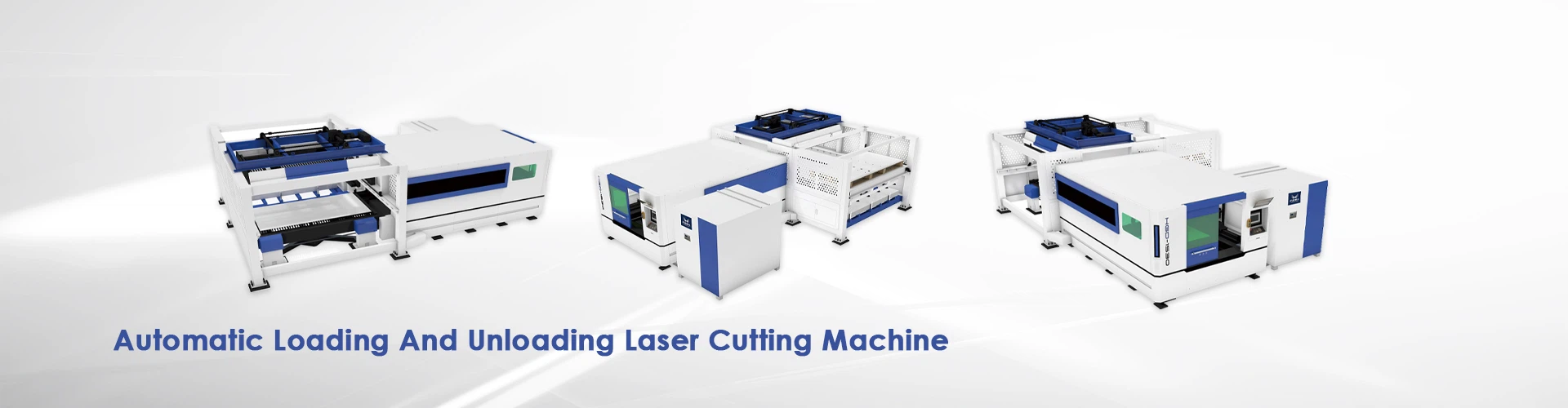
The Precision And Versatility Of Laser Cutting Machines in Metal Fabrication

In the realm of advanced manufacturing, laser cutting machines have emerged as a cornerstone technology, revolutionizing the way metals are processed and fabricated. This innovative technology leverages the power of high-intensity laser beams to cut through a variety of metal materials with unprecedented precision, speed, and efficiency. From intricate designs in jewelry to large-scale structural components in aerospace engineering, laser cutters have demonstrated their versatility across diverse industries. This article delves into the mechanisms, advantages, and applications of laser cutting machines in metal fabrication.
The Mechanics Behind Laser Cutting
Laser cutting is a non-contact process that involves directing a focused laser beam onto the surface of a metal workpiece. The beam is generated by a laser source, typically a CO2 laser or a fiber laser, which converts electrical energy into intense light. In the case of fiber lasers, the light is amplified through a series of doped glass fibers, producing a beam that is both highly collimated and coherent.
The beam is then guided through a series of mirrors and lenses to focus it down to a tiny spot, often less than a millimeter in diameter. This focused spot reaches temperatures exceeding 10,000°C, sufficient to melt, vaporize, or even burn through the metal material. Simultaneously, an assist gas, such as nitrogen, oxygen, or argon, is directed through a nozzle coaxial with the laser beam. This gas serves multiple purposes: it aids in the removal of molten metal, enhances the cutting process by oxidizing the material (in the case of oxygen), and protects the cut edge from oxidation and heat-affected zones (when inert gases like argon are used).
Advantages Over Traditional Cutting Methods
Laser cutting offers several significant advantages over traditional metal cutting techniques like mechanical shearing, plasma cutting, and waterjet cutting. Firstly, its precision is unparalleled, allowing for the creation of intricate designs and tight tolerances with minimal post-processing required. The lack of physical contact between the cutting tool and the workpiece minimizes distortion and reduces the need for secondary operations like deburring or grinding.
Secondly, laser cutting is extremely fast, significantly boosting productivity. The high-speed nature of the process, coupled with the ability to cut multiple layers of material simultaneously, makes it ideal for high-volume manufacturing. Furthermore, the flexibility of laser cutting machines allows for easy switching between different materials and thicknesses, reducing setup times and increasing overall efficiency.
Another critical advantage is the ability to cut a wide range of metals, including stainless steel, aluminum, titanium, and even hard-to-machine alloys. The versatility of laser cutting extends to the complexity of designs it can handle, from simple shapes to intricate geometric patterns, perforations, and even text or logos.
Applications Across Industries
The applications of laser cutting in metal fabrication are vast and diverse. In the automotive industry, it is used for prototyping, manufacturing custom parts, and producing intricate interior and exterior components. Aerospace engineering relies on laser cutting for precision parts that must meet stringent safety and performance standards. The medical device industry benefits from the clean, sterile cuts possible with laser technology, ensuring compatibility with sensitive applications like surgical instruments.
Architectural firms use it to fabricate decorative elements, custom fixtures, and structural components with intricate details. Even in the field of art and craftsmanship, laser cutting enables artists to bring complex designs to life with unmatched precision and creativity.
Conclusion
In summary, laser cutting machines have transformed metal fabrication by offering a combination of precision, speed, and versatility that was previously unattainable. Their ability to handle a wide range of materials, produce complex designs, and integrate seamlessly into automated manufacturing processes makes them a cornerstone of modern manufacturing. As technology continues to advance, so too will the capabilities of laser cutting machines, further expanding their reach into new applications and industries. For metal fabricators, embracing this technology is not just a matter of staying competitive; it's about embracing the future of manufacturing.