

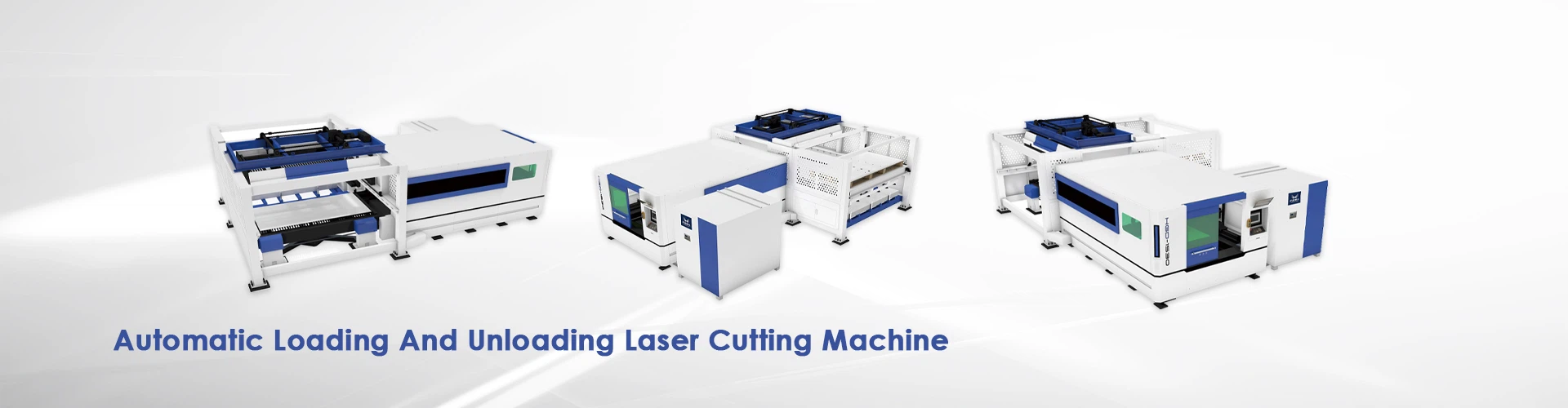
Why Is Laser Cutting in The Plate Processing Market Becoming More And More Popular?

The main reasons for the increasing popularity of laser cutting in the modern plate processing market include high precision, fast cutting speeds, small heat-affected zones, environmental friendliness and safety, low need for after-treatment, and automation and intelligence. Enterprises are looking for high efficiency and quality, which fiber laser cutting machines can satisfy.
Long before the popularization of laser cutting, plasma cutting is the most mature process in the field of metal processing. It uses the heat of the high-temperature plasma arc to make the metal at the workpiece kerf partially melted, and with the momentum of the high-speed plasma to exclude the molten metal to form the kerf, and its processing quality and cost are more considerable. At this time, plasma cutting in the field of thin and medium plate, by virtue of its cutting speed, smooth end face and other advantages are still widely used.
However, with the rise of lasers, laser cutting has begun to form a certain degree of impact on plasma cutting. In the field of thin plate cutting, kilowatt-class fiber laser relative to plasma cutting quality and efficiency has an absolute advantage, high precision, small kerf, small heat-affected zone, edge burr-free and fast cutting speed and other significant advantages make it the first choice in this field. In contrast, the disadvantages of plasma cutting have been highlighted.
In the modern plate processing market, laser cutting is becoming more and more popular, while plasma cutting is gradually decreasing, which is mainly due to the following reasons:
1. High precision
Laser cutting machines are capable of providing very high cutting accuracy and detail. This makes it particularly useful in applications that require high precision and complex cutting, such as precision engineering.
2. High cutting speed
Laser cutting machines are typically faster than flame and plasma cutting machines. This means higher productivity and more work can be done in the same amount of time, increasing productivity.
3. Smaller heat affected zone
Laser cutting has a smaller heat affected zone than flame and plasma cutting, reducing the risk of material distortion and thermal damage. This is particularly important for precision machining and applications where the mechanical properties of the material need to be maintained.
4. Environmentally friendly and safe
Laser cutting is generally more environmentally friendly than flame and plasma cutting, producing less fumes and pollution. At the same time, there are no open flames during the laser cutting process, making it relatively safe.
5. Low post-processing requirements
Due to the high precision of laser cutting, the cut edges are usually smoother and neater, reducing the need for subsequent processing and handling. This further saves time and cost.
6. Automation and Intelligence
Modern laser cutting machines are usually integrated with advanced automation and control systems that can work seamlessly with computer-aided design software to realize intelligent production. This improves the efficiency and flexibility of the cutting process.
These advantages have made laser cutting increasingly popular in the plate processing market, while traditional plasma cutting is gradually being replaced.